Catching car problems early can save you a lot of time, stress, and money. Many major repairs start as small issues that drivers overlook until it’s too late. By learning to recognize the warning signs, you can prevent costly damage and keep your vehicle running smoothly.
How to Spot Common Car Issues
Let’s look at some simple ways to spot common car problems before they turn into major repairs. Need help? Hire an auto mechanic repair Waterford.
1. Listen to Unusual Noises
Your car has its own language, and sounds are often the first sign that something isn’t right. A squealing noise when braking could mean your brake pads are worn and need replacing soon. A grinding or whining sound while driving may point to transmission or wheel bearing issues. Even a ticking or knocking from the engine shouldn’t be ignored, as it could indicate a lack of oil or internal wear.
2. Watch for Warning Lights
Your dashboard lights are designed to alert you to potential problems before they become serious. A check engine light, for instance, could signal something minor like a loose gas cap, or something major like a failing catalytic converter. The battery light might warn of a charging system problem, while the oil light indicates low pressure or oil level.
Instead of ignoring these signals or covering them with tape (yes, some people do that!), take them seriously. Have your vehicle checked by a professional as soon as a warning light appears. Many mechanics can run quick diagnostics to pinpoint the issue before it worsens.
3. Pay Attention to Changes in Handling
If your car suddenly feels different while driving, don’t brush it off. Handling issues often hint at problems with your suspension, alignment, or tires. For example, if your car pulls to one side, it may need a wheel alignment. A vibration in the steering wheel could mean your tires are unbalanced or your brake rotors are warped.
4. Monitor Fluid Levels and Leaks
Your car relies on various fluids to function, engine oil, coolant, brake fluid, power steering fluid, and transmission fluid. If you spot puddles or drips under your vehicle, that’s your first clue something might be wrong. Different fluids have distinct colors: brown or black may be oil, red could be transmission fluid, and green or orange usually means coolant.
Checking your fluids regularly helps prevent overheating, poor braking, or engine failure.
5. Notice Odd Smells or Smoke
Your sense of smell can also detect problems early. A sweet, syrupy odor often signals a coolant leak, while a burning rubber smell may come from slipping belts or hoses. If you smell burning oil or exhaust fumes, pull over safely and have your car checked immediately, as these can be serious safety hazards.
Conclusion: How to Spot Common Car Issues
Preventing major car repairs often comes down to being observant and proactive. By listening for unusual noises, paying attention to warning lights, monitoring fluids, and noticing changes in performance, you can catch problems early. Small fixes now can prevent big bills later, and keep your vehicle safe and dependable on the road. So next time your car “talks” to you, don’t ignore it, listen closely and take action before a minor issue becomes a major repair.
Dealing with water damage can be one of the most stressful experiences for any homeowner. Whether it’s from a burst pipe, roof leak, or natural flood, the mess and uncertainty can feel overwhelming. Thankfully, professional water damage restoration follows a clear, step-by-step process designed to restore your property efficiently and safely.
How Does Water Damage Restoration Work?
Understanding each Hawaii water damage restoration stage helps you know what to expect and why hiring experts is essential for protecting your home long-term.
1. Initial Inspection and Damage Assessment
The restoration process begins with a thorough inspection and assessment. Professionals first determine the source of the water and stop it from causing further damage. Then, they evaluate the extent of the water intrusion, identifying which materials, like flooring, walls, or furniture, have been affected.
Using moisture meters and thermal imaging cameras, the team maps out moisture levels throughout your property.
2. Water Extraction and Removal
Once the damage is assessed, the next step is to remove standing water as quickly as possible. The longer water sits, the more likely it is to cause mold growth, structural damage, or lingering odors.
Restoration experts use high-powered pumps and vacuums to extract large amounts of water efficiently. For smaller or harder-to-reach spaces, specialized portable extractors are used.
3. Drying and Dehumidification
After water extraction, surfaces may look dry, but moisture often lingers in walls, subfloors, and ceilings. To prevent mold growth and long-term deterioration, drying and dehumidification are essential.
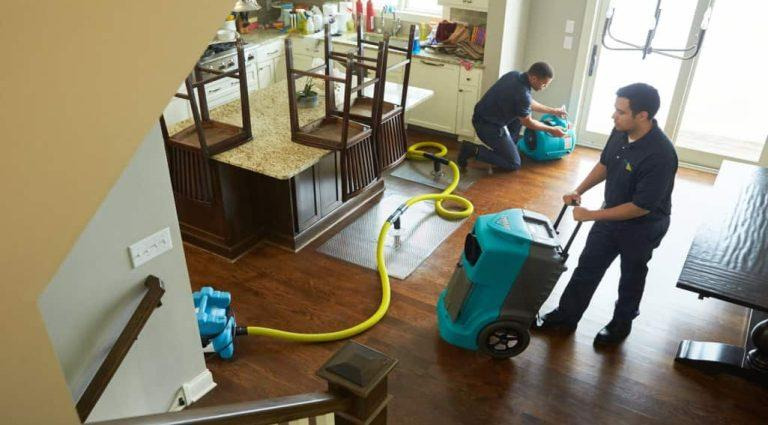
Professionals use industrial-grade air movers, fans, and dehumidifiers to pull out remaining moisture from materials. They closely monitor humidity levels using sensors and meters until the environment reaches a safe and dry state. This process can take several days, depending on the severity of the damage.
4. Cleaning and Sanitizing
Once everything is dry, the cleaning process begins. Water damage can introduce harmful bacteria, dirt, and even sewage contaminants depending on the source. Experts thoroughly clean, disinfect, and deodorize affected areas to make your home safe again.
During this stage, restoration professionals also work to salvage belongings like furniture, rugs, and personal items. They use specialized cleaning methods and antimicrobial treatments to eliminate potential health risks.
5. Repair and Restoration
The final stage is repairing and restoring your home to its pre-damage condition. Depending on the extent of the water damage, this can involve minor repairs like replacing drywall and repainting, or major reconstruction such as flooring replacement or structural work.
Professionals ensure that the affected areas blend seamlessly with the rest of your home. Their goal is not just to fix what’s broken but to make your space feel as good as new. By the end of this phase, your home will look and function just as it did before the incident, or even better.
Conclusion: How Does Water Damage Restoration Work?
Water damage restoration may seem complex, but when handled by professionals, it’s a smooth and systematic process. From the initial inspection to the final repair, each step plays a vital role in protecting your home from long-term harm. By acting quickly and trusting experienced restoration specialists, you not only recover faster but also ensure your property remains safe and sound for years to come. Remember, when water damage strikes, knowing the process, and calling the right experts, makes all the difference.